
www.oilgastechnology.com
29
'26
Written on Modified on
How Is AI Transforming Upstream Oil and Gas Operations
Integrating AI and digital twins within the upstream energy sector maximizes efficiency and cuts financial exposure by preventing critical errors in exploration, drilling, and production.
induportals-media-publishing.com
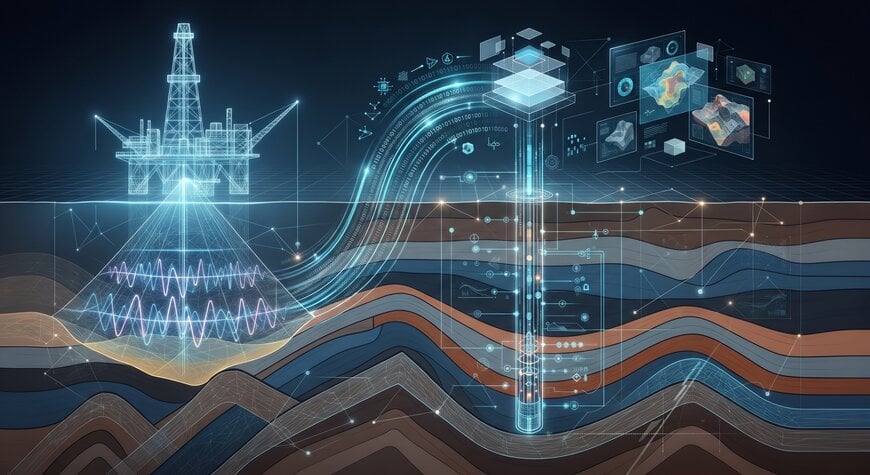
Upstream operators are combining machine learning, real-time drilling data and physics-based digital twins to improve decisions from seismic interpretation to production optimisation. These systems integrate geological models, logging-while-drilling (LWD) and measurement-while-drilling (MWD) measurements, equipment telemetry and surface-network data. AI identifies patterns and predicts operational risks, while digital twins simulate how wells and interconnected assets respond to changing conditions.
The economic incentive is substantial: offshore wells can cost tens to more than $100 million, while unplanned rig downtime can cost hundreds of thousands of dollars per day. Potential applications include automated fault interpretation, real-time geosteering, early detection of stuck-pipe risks, artificial-lift monitoring and hydraulic-fracturing optimisation.
Core Market Challenge
Performance depends on reliable sensor data, consistent integration between legacy systems and new software, and models that remain accurate as reservoir and equipment conditions change. Autonomous control also requires defined operating limits, cybersecurity safeguards and human oversight. AI predictions must be validated against physical models and field measurements before they can safely influence drilling parameters or production settings.
Existing Technology Solutions
SLB combines AI-driven drilling automation with digital well planning and production optimisation. Its DrillPlan platform supports well construction planning by integrating engineering workflows, anti-collision analysis and well design, helping teams evaluate operational scenarios before drilling begins. DrillOps connects planning with rig-site execution, providing a framework for automated drilling workflows and real-time performance monitoring. The Neuro autonomous directional-drilling system uses downhole measurements and automated steering logic to adjust well trajectories and maintain the target formation. Together, these technologies support a more integrated approach to well construction, from planning to execution.
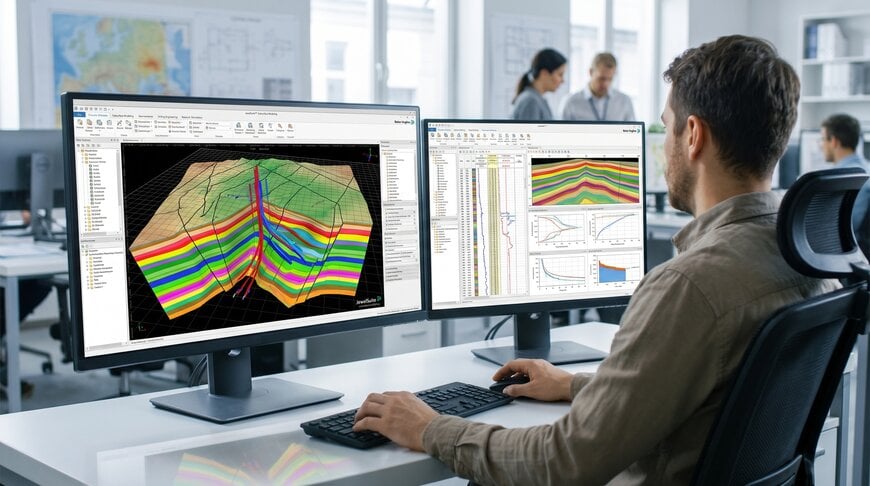
Baker Hughes combines drilling automation, directional-drilling expertise and digital modelling to optimise well construction. Its JewelSuite software supports subsurface characterisation and geomechanical modelling, helping engineers evaluate formation behaviour and drilling risks. The company’s autonomous directional-drilling capabilities use real-time downhole measurements and control algorithms to adjust drilling parameters and maintain the planned trajectory. Digital models can help engineers compare actual drilling performance with expected conditions, identify operational deviations and improve decisions on rate of penetration, mechanical loads and wellbore stability.
Halliburton focuses on automated geosteering and closed-loop drilling control through its LOGIX™ platform. The technology integrates downhole measurements, formation evaluation and directional-drilling systems to guide well placement in the target reservoir. Machine-learning algorithms can help interpret changing geological conditions, while automated steering functions translate those interpretations into directional adjustments. This approach is particularly relevant to horizontal wells in thin or geologically complex reservoirs, where small trajectory deviations can reduce productive reservoir contact. Integration with remote operations workflows also enables specialists to monitor performance and support decisions across multiple wells.
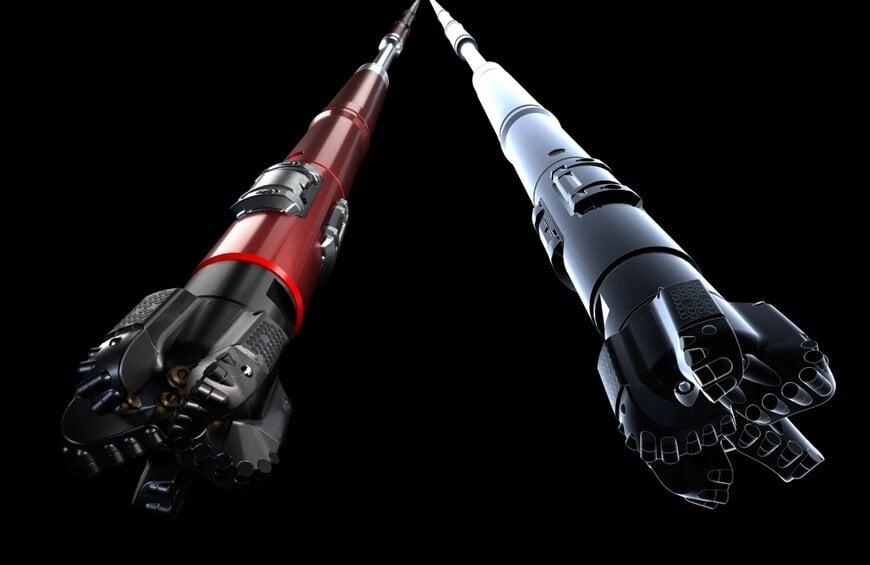
These systems share a common objective but differ in their level of integration and control. SLB’s portfolio connects well planning, AI-based geosteering and downhole automation, with its Neuro autonomous directional-drilling system designed to reduce reliance on repeated surface commands. Baker Hughes’ Kantori ecosystem combines predictive models, real-time measurements and digital twins with autonomous applications deployed across more than 8 million metres of well construction. Halliburton’s LOGIX platform focuses on linking geological interpretation with automated well-path adjustments and drilling control, helping maintain reservoir contact as formation conditions change.
Actual Implementation on the Ground
In offshore West Africa, Eni deployed SLB’s digital drilling technologies for its first fully autonomous operation in the region in the first quarter of 2024. The campaign achieved a rate of penetration of 1,224 metres per day and reduced weight-to-weight time by more than 50%. Also, SLB successfully deployed its automated well operator edge applications across multi-basin assets, achieving a 6% production increase and lowering the electrical submersible pump failure index over seventeen months of continuous operation in the Amazon basin.
In the North Sea, a European operator used Baker Hughes' Kantori autonomous directional drilling with JewelSuite by geomechanics and a real-time digital twin to optimise liner-running speeds. The deployment saved 13.8 hours against plan and more than $180,000, while avoiding swab and surge incidents.
In Ecuador, Halliburton's LOGIX automation and remote operations enabled autonomous steering during horizontal well placement. Machine-learning algorithms analysed real-time directional sensor data alongside a digital twin of the bottomhole assembly. The system autonomously drilled 87.4% of the footage in the reported field trial.
Summary and Strategic Future Outlook
The convergence of artificial intelligence and digital twins in the upstream sector marks a permanent shift toward autonomous and data-driven operations. By eliminating traditional bottlenecks and predicting subsurface anomalies before they impact production, service providers and operators secure substantial economic gains. Future developments will focus on deeper integration of generative AI, physics-informed machine learning, and autonomous edge control to maximize hydrocarbon recovery and asset longevity.
Edited by Evgeny Churilov, Induportals Media - Adapted by AI.
www.oilgastechnology.com
