
www.oilgastechnology.com
25
'26
Written on Modified on
Equinor Commences Drilling Operations at Major Raia Gas Field Brazil
Exporting 16 million m3/day, this project meets 15% of Brazil’s gas demand, boosting energy security, Equinor’s equity production, and long-term cash flow.
www.equinor.com
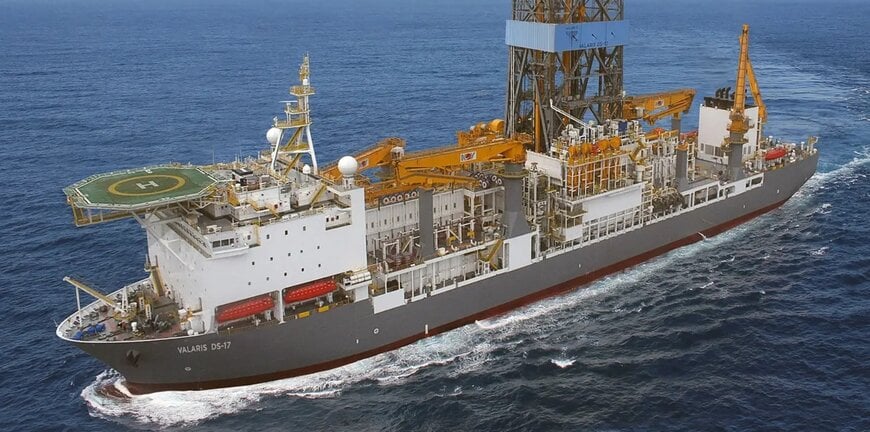
The Raia project in Brazil’s Campos Basin represents a significant shift in the global energy landscape, distinguishing itself from traditional offshore developments through its record-breaking depth and integrated carbon-efficiency. As of 24 March, Equinor and its partners have officially commenced the drilling phase using the Valaris DS-17 drillship. This milestone positions the project as a primary solution for Brazil's growing energy needs, with a planned startup in 2028 that leverages specialized technology to operate at water depths of approximately 2,900 meters — the deepest in Equinor’s global portfolio.
Unprecedented Scale and Strategic Energy Security
Unlike standard regional plays, Raia is a massive pre-salt undertaking with recoverable reserves exceeding one billion barrels of oil equivalent. The project’s competitive edge lies in its capacity to export up to 16 million cubic meters of natural gas daily via a 200-kilometer subsea pipeline to Macaé. This output is projected to meet 15% of Brazil’s total natural gas demand, providing a level of national energy security and long-term cash flow that outpaces many contemporary international equity production assets. The partnership, led by Equinor (35%) alongside Repsol Sinopec Brasil (35%) and Petrobras (30%), utilizes a six-well drilling campaign that applies specific deepwater expertise gained from previous high-complexity projects like the Bacalhau field.
Technological Innovation and Environmental Differentiation
The Raia development differentiates itself from competitors by prioritizing a low-emission production model within a high-output framework. The USD 9 billion investment centers on a Floating Production, Storage, and Offloading (FPSO) unit designed to be among the most carbon-efficient in the world. With an estimated emissions intensity of only 6 kg of CO2 per barrel of oil equivalent, the project addresses the increasing global demand for transition fuels that meet strict environmental standards. Beyond its technical specifications, the project serves as a massive economic engine, expected to generate 50,000 direct and indirect jobs over its 30-year lifecycle while pushing the boundaries of offshore engineering.
Edited by Evgeny Churilov, Induportals Media - Adapted by AI.
www.equinor.com
