
www.oilgastechnology.com
14
'26
Written on Modified on
Honeywell Technology Selected for NextDecade Rio Grande LNG Expansion Project
Honeywell provides advanced liquefaction equipment and C3MR technology to boost production capacity by 66% across two new trains at the Texas export facility.
www.honeywell.com
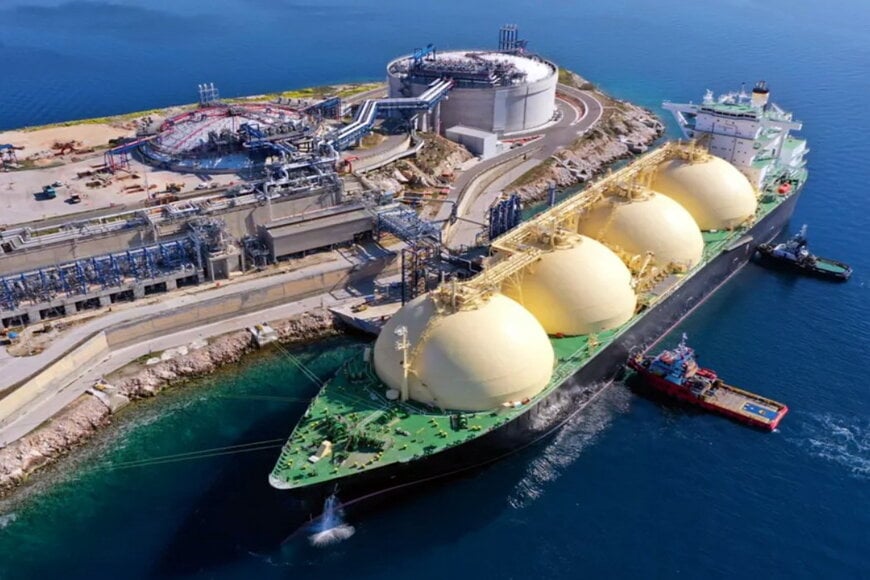
Honeywell is solidifying its market leadership in liquefaction technology through a new agreement to provide critical equipment for Trains 4 and 5 of NextDecade’s Rio Grande LNG project in Brownsville, Texas. By deploying its proprietary C3MR process technology and high-efficiency coil wound heat exchangers (CWHE), Honeywell offers a distinct competitive advantage over alternative liquefaction methods. This expansion, managed through Bechtel Energy, Inc., will increase the facility’s total capacity by over 66 percent, moving from 18 to 30 million tonnes per annum by the time all five trains become operational in mid-2031.
Technological Superiority in High-Capacity Liquefaction
The primary differentiator for Honeywell in the global LNG landscape is the widespread adoption and reliability of the C3MR process, which currently stands as the most utilized liquefaction technology in the world. Unlike standard cooling configurations, Honeywell’s system is engineered to maximize throughput while minimizing the physical footprint of the facility. The coil wound heat exchanger equipment is specifically designed for robust, safe operation in large-scale environments, providing a higher production ceiling than many competing modular or traditional heat exchange solutions.
Optimization Through Modular and Integrated Solutions
Beyond the core liquefaction process, Honeywell distinguishes itself by offering a suite of integrated pretreatment, automation, and software tools that optimize the entire production scheme. This holistic approach allows producers to lower operating expenses and improve reliability compared to facilities using fragmented technology providers. Furthermore, Honeywell’s ability to provide modular LNG technology—which can be constructed off-site—significantly reduces construction risks and accelerates timelines, allowing export facilities to reach operational status faster than projects relying on conventional, on-site building methods. This scalability ensures that as global energy demand rises, producers can meet security needs with customized, high-performance infrastructure.
Edited by Evgeny Churilov, Induportals Media - Adapted by AI.
www.honeywell.com
