
www.oilgastechnology.com
23
'26
Written on Modified on
Subsurface Hydrogen Generation from Depleted Hydrocarbon Reservoirs
Eclipse Energy and Wood have verified an engineering pathway to extract low-cost hydrogen while repurposing mature petroleum wells.
www.woodplc.com
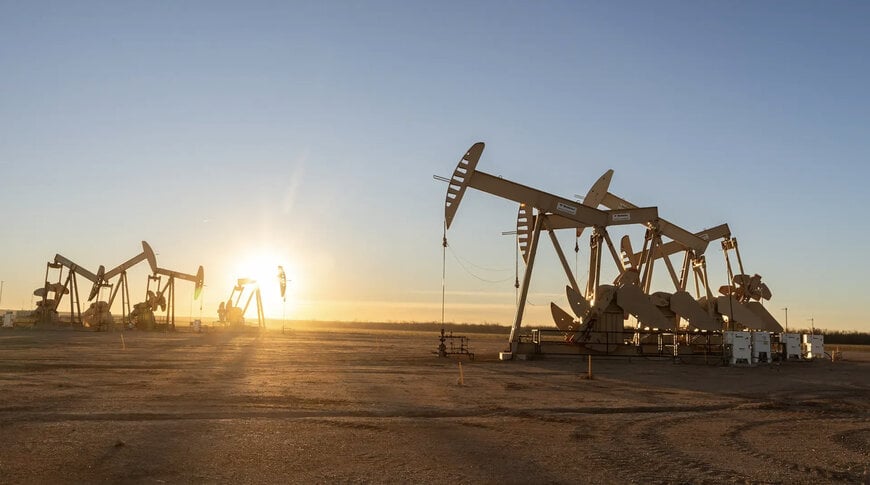
Eclipse Energy partnered with engineering consultancy Wood to conduct an independent techno-economic assessment of its subsurface hydrogen generation technology designed to convert depleted oil assets into low-emission hydrogen sources for industrial decarbonization.
Industrial Challenge and Strategic Cooperation
Mature oil and gas fields face asset decommissioning liabilities and abandonment requirements as production declines. Concurrently, heavy industry requires high-volume hydrogen feedstocks with low carbon intensity, yet standard greenfield production facilities demand extensive capital expenditure and long installation lead times. Repurposing subsurface reservoirs requires specialized engineering evaluation to verify capital expenditure, operational parameters, and overall energy balances. Eclipse Energy contributed field demonstration data from downhole trials, while Wood performed independent process modeling, cost engineering, and lifecycle emissions assessments.
Technical Architecture and Operational Parameters
The production process relies on subsurface reaction mechanisms within legacy reservoirs to generate hydrogen while sequestering residual carbon compounds downhole. Wood evaluated several surface and subsurface engineering configurations, including power supply integration, carbon handling systems, and product gas separation. The assessment modeled a levelized cost of hydrogen of 0.56 US dollars per kilogram under optimal technical configurations, outperforming the preliminary operating threshold of 0.70 US dollars per kilogram. Life-cycle analysis verified an operational carbon intensity rating of 0.076 kilograms of carbon dioxide equivalent per kilogram of hydrogen produced.
Infrastructure Integration and Field Deployment
The architecture utilizes existing downhole well casings, surface pads, and pipeline networks, reducing the ground footprint and material requirements compared to new greenfield developments. Integration involves connecting surface separation and purification units to legacy extraction manifolds, allowing existing hydrocarbon assets to function as stationary processing systems without continuous subsurface drilling.
Applications and Operational Impact
Primary application areas include chemical manufacturing, heavy logistics, and direct power generation. Utilizing existing well architecture reduces upfront development expenditure, mitigates decommissioning obligations for resource operators, and accelerates deployment schedules for clean hydrogen networks.
Commercial Scalability
The verified performance metrics establish a standardized baseline for engineering design, permitting reviews, and scale-up feasibility across legacy hydrocarbon basins globally.
Edited by Natania Lyngdoh, Induportals editor, assisted by AI.
www.woodgroup.com
