
www.oilgastechnology.com
09
'26
Written on Modified on
Standardizing Deepwater Subsea Boosting Systems for Gulf Production
BP utilizes standardized processing technology from SLB OneSubsea to optimize field recovery and accelerate deployment times.
www.slb.com
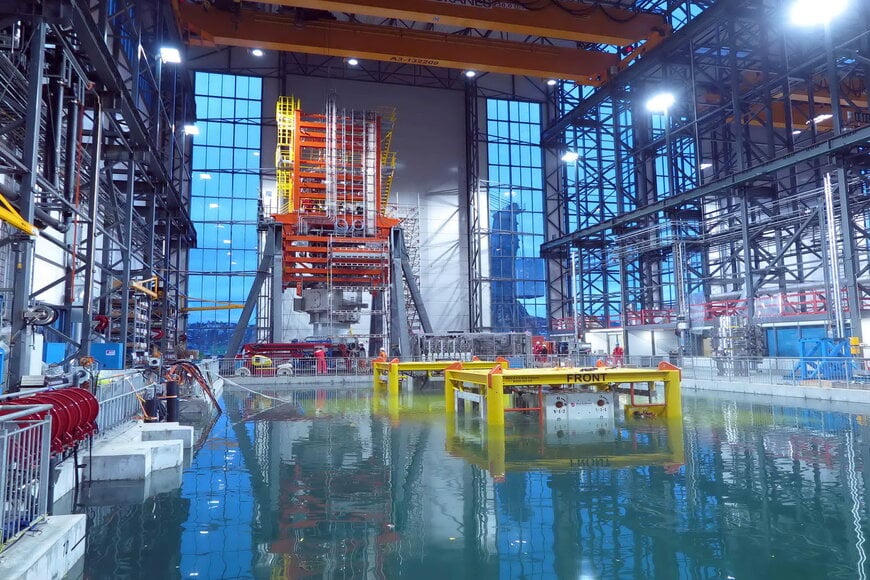
BP has awarded a contract to SLB OneSubsea to deliver a subsea boosting system for the Thunder Horse project in the deepwater Gulf of Mexico. The project utilizes a supplier-led, standardized high-pressure system architecture designed to enhance production rates and extend the operational life of existing offshore assets.
Collaborative Framework and Project Context
The engineering, procurement, and construction (EPC) contract represents an expansion of the technical cooperation between operator bp and technology provider SLB OneSubsea. This project follows recent system selections for bp’s Kaskida and Tiber developments.
Deepwater hydrocarbon extraction faces challenges including declining reservoir pressures and long tie-back distances to host facilities. By deploying subsea boosting technology, the companies address these thermodynamic constraints. The cooperation leverages the operator's reservoir management data alongside the manufacturer's specialized processing technology to optimize field hydraulics and fluid velocity.
Technical Solution and System Architecture
The core technical solution relies on an identical, standardized subsea boosting system across multiple fields. Rather than engineering custom configurations for each asset, the standardized design utilizes uniform mechanical interfaces, pressure-containing housings, and electrical connections.
SLB OneSubsea is responsible for the project management, engineering design, manufacturing, and comprehensive testing of the boosting infrastructure. The system functions by lowering the wellhead backpressure, which accelerates fluid flow from the reservoir and maintains optimal production profiles. Operating within a high-pressure framework, the multi-phase boosting system handles complex fluid compositions, including varying gas-to-oil ratios, without requiring separate upstream separation equipment.
Operational Deployment and System Integration
The subsea boosting system will be integrated into the existing infrastructure of the Thunder Horse development. Utilizing a standardized configuration across Kaskida, Tiber, and Thunder Horse streamlines the engineering interfaces and deployment phases. This approach simplifies integration with the existing umbilical systems, subsea distribution units, and topside control architectures. Furthermore, the reuse of qualified engineering designs reduces manufacturing lead times, minimizes factory acceptance testing variables, and establishes predictable installation protocols for the offshore engineering teams.
Expected Industrial Impact
The standardized technical approach delivers measurable process efficiencies compared to bespoke subsea engineering projects. By replicating the hardware architecture, the partners reduce overall execution complexity and shorten delivery timelines. Mechanically, the boosting system enhances total recovery factors by sustaining economic production rates from low-pressure reservoirs, directly optimizing the long-term asset performance and maintainability of the digital infrastructure supporting the subsea field.
Edited by Evgeny Churilov, Induportals Media - Adapted by AI.
www.slb.com
