
Enilive and MSC Cruises complete HVO biofuel maritime trial
MSC Cruises and Enilive successfully tested 100 percent HVO diesel biofuel aboard the MSC Opera to evaluate decarbonization potential for marine engines.
www.eni.com
Eni and MSC Cruises have concluded a technical trial involving the use of Enilive’s Hydrogenated Vegetable Oil (HVO) for cruise ship propulsion. The partnership focused on assessing the viability of biofuel as a drop-in replacement for traditional marine fossil fuels. During the testing phase, one of the engines on the MSC Opera was powered by pure HVO for approximately 2,000 hours. The trial was conducted without any mechanical modifications to the existing engine infrastructure, demonstrating the technical compatibility of the biofuel with current maritime hardware.
The evaluation process included the participation of Wärtsilä, the engine manufacturer, which assisted in the collection and assessment of technical performance and emissions data. Bureau Veritas acted as an independent certifier to validate the experimental results. The findings confirmed that HVO ensures engine performance consistent with traditional marine fossil fuels while maintaining operational stability.
Environmental and regulatory impact
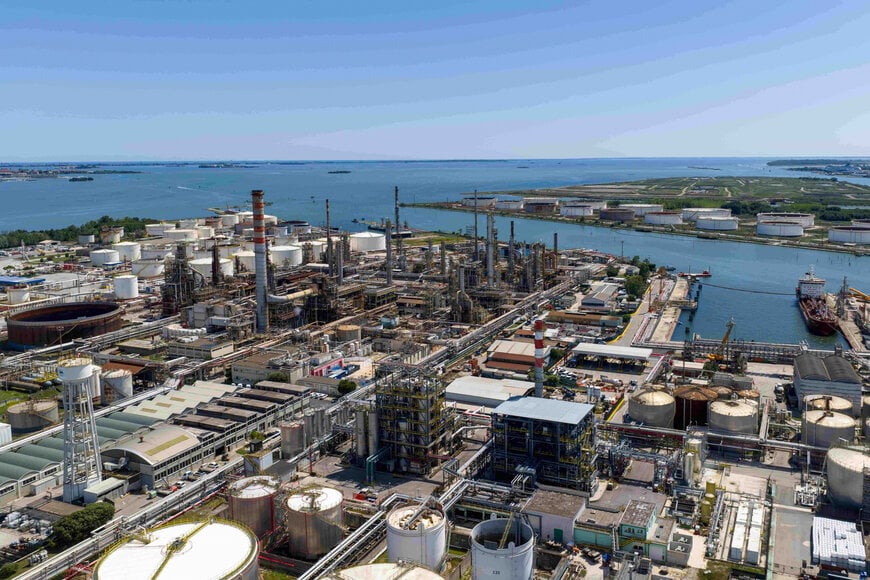
Technical data recorded during the trial showed a 16 percent reduction in nitrogen oxide (NOx) emissions and a decrease in particulate matter compared to conventional fossil fuels. The HVO used in the trial is produced from 100 percent biogenic feedstocks, such as used cooking oils and animal fats, at Enilive’s biorefineries in Venice and Gela. This production process results in a significant reduction in life-cycle greenhouse gas emissions, estimated at approximately 80 percent when compared to standard marine gas oil.
The implementation of HVO is a strategic response to the FuelEU Maritime regulation, which mandates the reduction of greenhouse gas intensity in the maritime sector. By utilizing biofuel in its pure form, vessel operators can meet regulatory targets and reduce emission-related costs without the need for immediate technological upgrades or new vessel construction.
Biofuel production and distribution logistics
The availability of HVO in the maritime supply chain is a critical factor for its adoption. Enilive has established a distribution network that includes the ports of Genoa, Ravenna, and Venice, where the biofuel is available for direct delivery to vessels via barge. This logistics infrastructure supports the scaling of renewable fuel usage in the Mediterranean cruise sector.
For MSC Cruises, the trial represents a step toward the objective of achieving net zero greenhouse gas emissions by 2050. The technical feasibility of 100 percent HVO, alongside other options like liquefied natural gas (LNG), provides a pathway for the maritime industry to transition toward renewable energy sources while maintaining existing fleet operations.
Edited by an industrial journalist, Lekshman Ramdas, with AI assistance.
www.eni.com
