
www.oilgastechnology.com
02
'26
Written on Modified on
TotalEnergies Secures 2 Mtpa from Alaska LNG
20-year LNG offtake agreement strengthens U.S. supply diversification and improves Pacific access to Asian markets, subject to final investment decision.
totalenergies.com
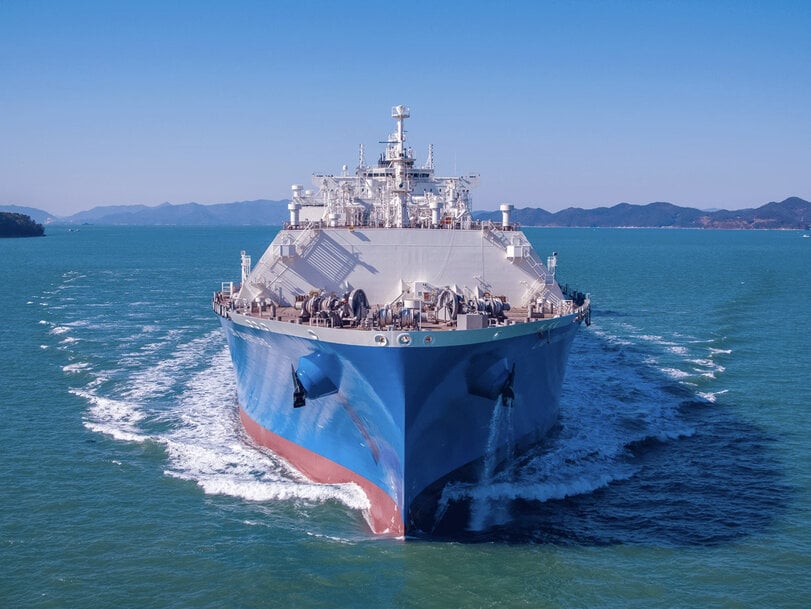
Asian LNG importers, utilities, and energy traders continue to seek long-term supply security amid tightening global markets. In this context, TotalEnergies has signed a Letter of Intent with Glenfarne for the offtake of 2 million tonnes per annum (Mtpa) of liquefied natural gas over 20 years from the Alaska LNG Project, subject to the project’s final investment decision (FID).
The agreement reinforces long-term LNG supply diversification while leveraging the project’s Pacific Coast location to serve Asian markets more directly.
A Pacific-oriented LNG export terminal
The Alaska LNG project is currently the only federally authorized LNG export terminal on the U.S. Pacific coast. With a planned total liquefaction capacity of 20 Mtpa, the facility is designed to provide direct maritime access to Asia, the world’s largest LNG consumption region.
From a logistical standpoint, a Pacific-facing export terminal reduces voyage times to key Asian import terminals compared to U.S. Gulf Coast shipments, which typically transit through the Panama Canal. Shorter shipping routes can lower transportation costs, reduce exposure to canal congestion risks, and improve delivery predictability.
This geographic positioning is a central technical and commercial feature of the project, particularly for buyers seeking long-term LNG supply contracts aligned with Asian demand growth.
Long-term offtake structure and portfolio impact
Under the preliminary agreement, TotalEnergies intends to offtake 2 Mtpa over 20 years. Such long-term LNG contracts remain a key mechanism for underwriting new liquefaction projects, as they provide revenue visibility necessary for reaching FID.
For TotalEnergies, the agreement contributes to portfolio diversification within its global LNG trading operations. In 2025, the company exported 19 Mt of U.S. LNG, representing approximately 18% of total U.S. production, including 14 Mt delivered to Europe. Securing additional volumes from the Pacific coast expands geographical optionality and reduces reliance on a single export corridor.
From a supply strategy perspective, diversification across multiple U.S. basins and export terminals mitigates exposure to regional infrastructure constraints or weather-related disruptions.
Strategic role in Asian energy security
Asian LNG demand growth continues to be driven by power generation needs, coal-to-gas switching policies, and industrial consumption. Long-term LNG supply contracts contribute to energy security by stabilizing procurement costs and ensuring availability during peak demand periods.
The Alaska LNG project is positioned to serve these markets with competitive shipping economics and reduced transit times. Its Pacific orientation also strengthens transpacific energy trade flows, aligning U.S. upstream production with Asian downstream demand centers.
Project competitiveness and market context
Global LNG export capacity is expanding, with projects under development in North America, Qatar, and East Africa. Key evaluation criteria for LNG buyers typically include:
- Liquefaction capacity and scalability
- Shipping distance to end markets
- Political and regulatory stability
- Contract flexibility and pricing structure
The Alaska LNG project differentiates itself through its Pacific Coast location and federal authorization status. However, its progression to construction remains contingent on achieving final investment decision and securing sufficient long-term commercial commitments.
www.totalenergies.com
www.totalenergies.com
