
www.oilgastechnology.com
30
'26
Written on Modified on
Autonomous Well Construction Platform Integrates AI and Physics Models
Baker Hughes launches Kantori, a unified digital service for automated and optimized well construction operations.
www.bakerhughes.com
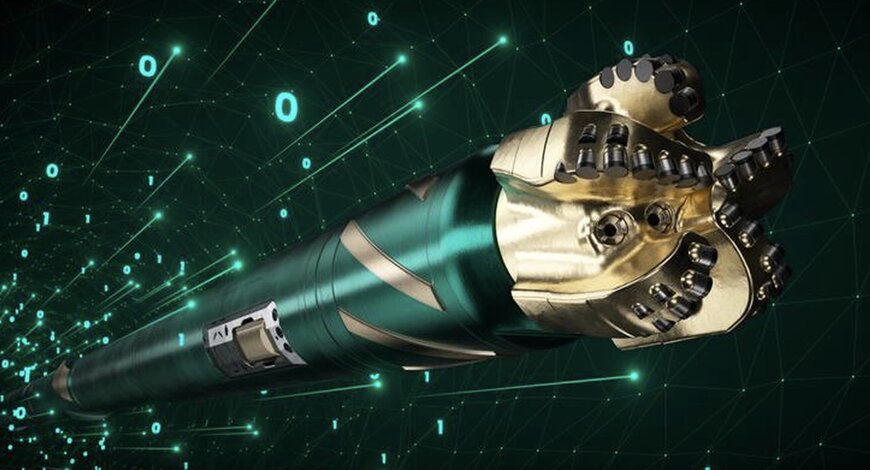
Baker Hughes has introduced Kantori™, an autonomous well construction solution that integrates artificial intelligence, physics-based modeling, and real-time analytics to automate and optimize planning, execution, and monitoring across the full well construction lifecycle.
From reactive drilling to autonomous operations
Well construction has traditionally relied on fragmented workflows and reactive decision-making, with human operators responding to changing downhole conditions. Kantori is designed to shift this paradigm by embedding intelligence directly into the operational workflow, enabling continuous optimization with minimal manual intervention.
The solution was unveiled at the company’s 26th Annual Meeting in Florence, Italy, and reflects Baker Hughes’ broader strategy to apply digitalization and automation to reduce nonproductive time, operational variability, and safety risks in drilling and well construction.
Unified digital architecture
Kantori consolidates multiple stages of well construction into a single digital framework. It connects data sources across the operation, integrates planning and execution tools, and applies analytics in real time to adjust parameters as conditions evolve.
By combining AI-driven algorithms with physics-based models, the system can learn from historical and live data, predict outcomes, and recommend or execute adjustments during drilling. This hybrid approach is intended to balance data-driven adaptability with engineering rigor, particularly in complex or high-risk well environments.
Lifecycle coverage and scalability
The platform supports the entire well construction lifecycle, including connectivity and data integration, well planning, execution monitoring, and performance optimization. Its architecture is scalable, allowing deployment on a single well basis or across multiple wells and entire fields.
This scalability enables operators to standardize workflows while still adapting to site-specific conditions, supporting consistent performance across diverse assets and geographies.
Integration of real-time analytics
Kantori incorporates real-time analytics and predictive intelligence from Corva, enhancing situational awareness and operational control. The integration allows users to visualize performance metrics, detect emerging risks, and optimize drilling parameters continuously during operations.
The combined system is intended to accelerate decision-making and reduce reliance on manual interpretation of large data volumes, particularly during time-critical phases of well construction.
Operational impact and application context
Autonomous well construction aims to improve predictability and repeatability by reducing human-induced variability and response delays. By automating routine adjustments and highlighting exceptions that require intervention, Kantori supports safer operations and more efficient use of personnel.
For operators facing increasingly complex wells, tighter margins, and higher expectations for consistency, such platforms offer a pathway to improved drilling efficiency and lower total well costs.
Outlook
With Kantori, Baker Hughes positions autonomous well construction as a practical, deployable capability rather than a future concept. The solution builds on existing digital and drilling expertise to deliver integrated automation across the well lifecycle.
As the industry continues to adopt intelligent systems, platforms that unify data, analytics, and execution are likely to play a central role in advancing safer, more predictable, and more efficient well construction practices.
www.bakerhughes.com
