
www.oilgastechnology.com
30
'26
Written on Modified on
Rockwell Automation Eliminates False Trips With AADvance Control System Updates
Configuration updates aligned with NAMUR NE43 standards eliminated unplanned shutdowns and improved safety system reliability at petroleum facilities.
www.rockwellautomation.com
Application Area: Safety System Configuration
Industry Sector: Petroleum Processing and Refining
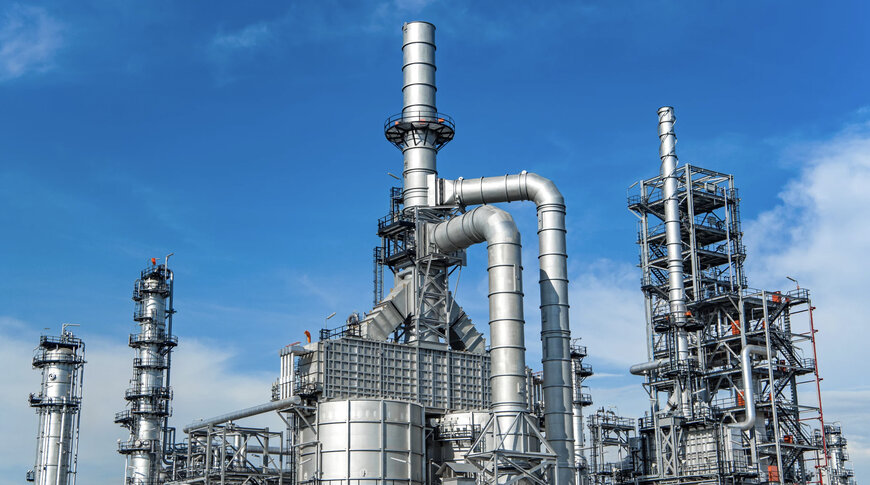
A major Middle East petroleum complex operating large-scale processing facilities required a reliable control infrastructure to maintain continuous uptime and protect its assets. As part of a broader infrastructure modernization plan, the enterprise deployed updated safety system configurations to replace legacy logic that previously governed its advanced instrumentation and redundant hardware systems.
Operational Challenges with Legacy Logic
The processing facility experienced an unexpected operational halt during a routine maintenance upgrade. This incident exposed underlying vulnerabilities within the legacy safety system logic. During the upgrade procedure, temporary fluctuations in sensor readings were incorrectly interpreted by the system as critical hardware failures. This aggressive response to minor signal changes triggered an emergency shutdown, which subsequently caused significant production losses. The core issue was that lower-level diagnostics within the system architecture were driving behavior, creating a disconnect between operator intent and automated responses.
Goals for System Reliability
The facility aimed to modernize its infrastructure by replacing legacy instrumentation with advanced, redundant technology. To support this equipment integration, operators needed to improve system accuracy and reduce unnecessary disruptions. The primary objective was to establish consistent behavior across both legacy and modernized systems, ensuring the platform could accurately distinguish between normal process variations and genuine fault conditions.
Standardizing the Control System Configuration
To resolve the diagnostic mismatch, the petroleum complex investigated the root cause of the shutdowns and determined the issue stemmed from configuration parameters rather than physical hardware failures. The engineering team implemented an updated smart safety systems configuration designed to interpret process signals accurately. This refined configuration aligned the system thresholds with NAMUR NE43 industry standards, adjusting how the platform distinguished between true hardware failures and valid process fluctuations.
Deployment and Controlled Validation
Before implementing the updated configuration across the live facility, the engineering team conducted extensive validation in a controlled testing environment. This environment replicated exact site conditions, allowing engineers to confirm the system's behavioral responses across a variety of operational scenarios. Once the parameters were refined and validated, the updated configuration was deployed into the active processing systems.
Zero Unplanned Shutdowns and Enhanced Stability
Following the deployment of the updated configuration, the facility reduced unexpected trips and unplanned shutdowns to zero. The alignment with NAMUR NE43 standards enabled the safety architecture to filter out minor process variations, thereby maintaining operational stability and preventing production losses. Additionally, standardizing the configuration across all systems simplified maintenance tasks for operations teams and established a scalable framework for integrating future control system modernization projects.
Edited by Natania Lyngdoh, Induportals Editor, with AI assistance.
www.rockwellautomation.com
Industry Sector: Petroleum Processing and Refining
A major Middle East petroleum complex operating large-scale processing facilities required a reliable control infrastructure to maintain continuous uptime and protect its assets. As part of a broader infrastructure modernization plan, the enterprise deployed updated safety system configurations to replace legacy logic that previously governed its advanced instrumentation and redundant hardware systems.
Operational Challenges with Legacy Logic
The processing facility experienced an unexpected operational halt during a routine maintenance upgrade. This incident exposed underlying vulnerabilities within the legacy safety system logic. During the upgrade procedure, temporary fluctuations in sensor readings were incorrectly interpreted by the system as critical hardware failures. This aggressive response to minor signal changes triggered an emergency shutdown, which subsequently caused significant production losses. The core issue was that lower-level diagnostics within the system architecture were driving behavior, creating a disconnect between operator intent and automated responses.
Goals for System Reliability
The facility aimed to modernize its infrastructure by replacing legacy instrumentation with advanced, redundant technology. To support this equipment integration, operators needed to improve system accuracy and reduce unnecessary disruptions. The primary objective was to establish consistent behavior across both legacy and modernized systems, ensuring the platform could accurately distinguish between normal process variations and genuine fault conditions.
Standardizing the Control System Configuration
To resolve the diagnostic mismatch, the petroleum complex investigated the root cause of the shutdowns and determined the issue stemmed from configuration parameters rather than physical hardware failures. The engineering team implemented an updated smart safety systems configuration designed to interpret process signals accurately. This refined configuration aligned the system thresholds with NAMUR NE43 industry standards, adjusting how the platform distinguished between true hardware failures and valid process fluctuations.
Deployment and Controlled Validation
Before implementing the updated configuration across the live facility, the engineering team conducted extensive validation in a controlled testing environment. This environment replicated exact site conditions, allowing engineers to confirm the system's behavioral responses across a variety of operational scenarios. Once the parameters were refined and validated, the updated configuration was deployed into the active processing systems.
Zero Unplanned Shutdowns and Enhanced Stability
Following the deployment of the updated configuration, the facility reduced unexpected trips and unplanned shutdowns to zero. The alignment with NAMUR NE43 standards enabled the safety architecture to filter out minor process variations, thereby maintaining operational stability and preventing production losses. Additionally, standardizing the configuration across all systems simplified maintenance tasks for operations teams and established a scalable framework for integrating future control system modernization projects.
Edited by Natania Lyngdoh, Induportals Editor, with AI assistance.
www.rockwellautomation.com
