
www.oilgastechnology.com
29
'26
Written on Modified on
Heat exchangers optimize palm oil refining efficiency
Alfa Laval supports a Malaysian refinery in improving energy efficiency and process stability through upgraded heat exchanger integration.
www.alfalaval.com
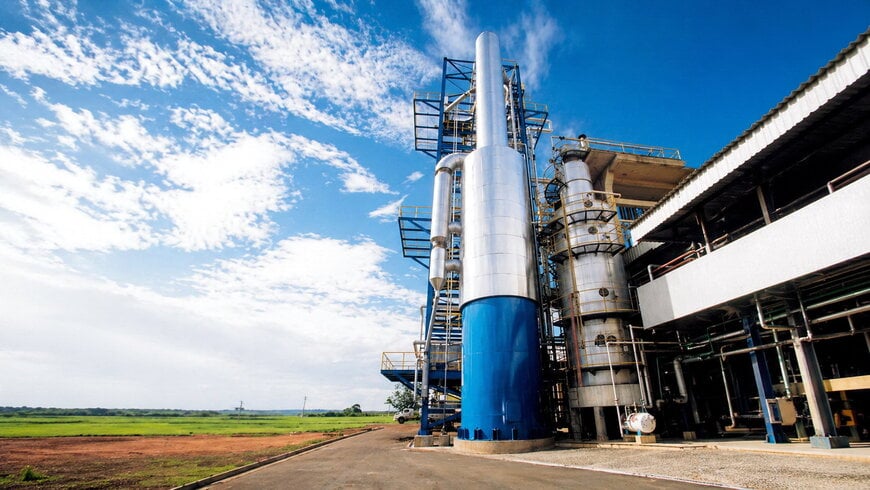
A Malaysian palm oil refinery operating in the food processing sector sought to improve the thermal efficiency and operational reliability of its refining process. The facility processes crude palm oil into refined, bleached, and deodorized (RBD) oil, a sequence that requires stable temperature control and efficient heat recovery.
The existing system relied on a long-serving deodorization unit, which remained operationally robust but was constrained by suboptimal heat integration. This resulted in higher steam consumption, uneven thermal profiles, and limited opportunities for energy recovery. The refinery aimed to reduce energy usage, stabilize product quality, and extend the lifecycle of existing equipment without undertaking a full system replacement.
Heat exchanger integration with legacy unit
To address these constraints, the refinery implemented an upgraded heat exchanger system supplied by Alfa Laval. The solution involved integrating a modern heat exchanger into the existing deodorization line, enabling improved heat recovery between process streams. The selected configuration focused on maximizing thermal exchange efficiency while maintaining compatibility with the legacy deodorizer. This approach allowed pre-heating and cooling stages to be optimized, reducing reliance on external heating utilities such as steam.
The refinery selected this solution due to its ability to deliver high thermal efficiency within a compact footprint, as well as its adaptability to existing process conditions. The modular nature of the heat exchanger system also facilitated installation without extensive downtime or major structural modifications.
Minimizing disruption during integration
The implementation was carried out with technical support from Alfa Laval, ensuring that the new heat exchanger was correctly dimensioned and integrated into the refinery’s process flow. Engineering considerations included flow rates, temperature differentials, and fouling characteristics specific to palm oil processing.
Installation was executed in a way that preserved the integrity of the existing deodorization unit while enhancing its performance. This approach avoided the need for a complete system overhaul, reducing capital expenditure and operational disruption.
Reduced energy demand and improved process stability
Following deployment, the refinery achieved measurable improvements in energy efficiency through enhanced heat recovery. Steam consumption was reduced as more thermal energy was reused internally within the process. In addition, the integration contributed to more stable temperature control during deodorization, which is critical for maintaining consistent product quality. The improved thermal balance also reduced thermal stress on equipment, supporting longer service intervals and lower maintenance requirements.
Although specific numerical performance data was not disclosed, the operational gains align with established process engineering principles: improved heat exchange efficiency directly reduces utility demand and enhances overall system stability.
Extending asset value through targeted upgrades
The case demonstrates how integrating modern heat exchanger technology into existing refining infrastructure can deliver significant efficiency gains without requiring full system replacement. By leveraging targeted upgrades, the refinery was able to meet its operational goals while preserving capital and extending the lifespan of critical process equipment.
Edited by Evgeny Churilov, Induportals Media - Adapted by AI.
www.alfalaval.com
